Class 10 Physics Chapter 21: Space and Environment

Chapter 21 · Unit 21 PECTAA / PCTB 2026–2027 Syllabus National Curriculum 2023

Space and Environment باب 21: خلا اور ماحول — مکمل گائیڈ بک (انگلش، اردو نستعلیق اور رومن اردو)

Complete Bilingual & اردو Guide Book for Class 10 Physics covering The Sun & Nuclear Fusion, Planetary Orbital Factors & Surface Temperatures, Tropical Cyclones & Coriolis Effect, Global Warming & Rising Sea Levels, Geothermal Activity, and Background Radiation & Safety Measures — with solved MCQs, 43 Short Questions, Constructed Response Questions, and Long Questions.

⚡ Chapter 21 Core Physics Laws SLO Exam Reference
Einstein's Mass–Energy
Solar Core Nuclear Fusion
E = mc²
Universal Gravitation
Planetary Orbit Pull
F = Gm₁m₂ / r²
Solar Radiation Intensity
Orbital Distance Law
I ∝ 1 / r²
6
Topics + WebP
22
Solved MCQs
61
SQs, CRQs & LQs
🔍

📑 Table of Contents — Chapter 21 Complete Navigation

PunjabTest.com Format
Topic 21.1 · Astrophysics

The Sun & Nuclear Fusion
21.1 سورج اور نیوکلیئر فیوژن (Nuclear Fusion)
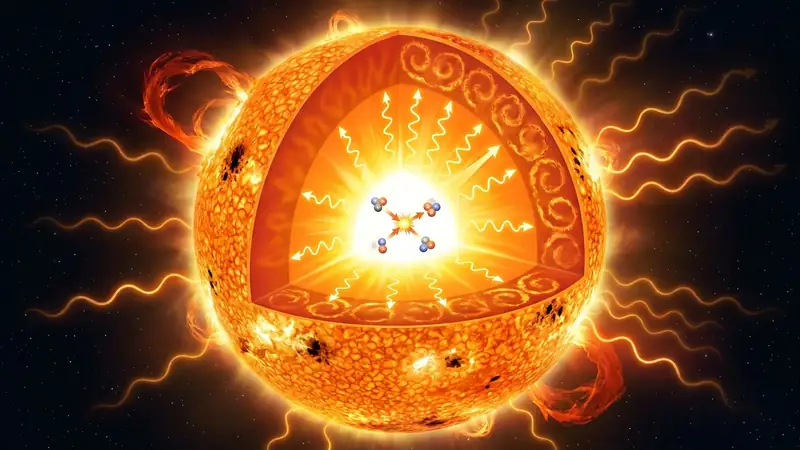
Cut-away scientific diagram of the Sun showing core nuclear fusion of hydrogen into helium and solar radiation waves
Figure 21.1: Cut-away view of the Sun's core where Hydrogen (74%) fuses into Helium (24%), releasing tremendous energy via E = mc² as electromagnetic waves. Source: Punjab Board PECTAA 2026 ↗
🇬🇧 English Medium Explanation (Green Card) PECTAA Textbook

1. Role & Position of the Sun: The Sun is a massive, luminous star located at the centre of our Solar System. It is the greatest source of light, heat, and other forms of electromagnetic (E.M.) waves. The strong gravitational pull of the Sun (F = Gm₁m₂/r²) keeps all planets, including the Earth, revolving in stable orbits around it.

2. Chemical Composition of the Sun: According to the PECTAA 2026 Class 10 Physics textbook, the Sun is composed primarily of two light gases:

  • Hydrogen (H₂): 74% of the Sun's mass (main nuclear fuel).
  • Helium (He): 24% of the Sun's mass.
  • Other Heavy Elements: About 2% (oxygen, carbon, neon, iron, etc.).

3. Core Nuclear Fusion Process: At the core of the Sun, where temperature (~15 million K) and pressure are extremely high, nuclear fusion takes place continuously. In this reaction, four light hydrogen nuclei (protons) fuse together to form a heavier helium nucleus:

4 ¹₁H → ⁴₂He + 2 ⁰₊₁e + Energy (ΔE = Δm · c²)

4. Energy Transmission Through Space: This fusion reaction causes a tremendous increase in the Sun's temperature. The energy released travels across the vacuum of space as electromagnetic radiations, including infrared (heat) radiation, visible sunlight, and ultraviolet (UV) radiations.

🇵🇰 اردو نستعلیق وضاحت (Red Card — Urdu Medium) پنجاب بورڈ نصاب

1۔ سورج کا مقام اور کردار: سورج ہمارے نظامِ شمسی (Solar System) کے بالکل مرکز میں واقع ایک عظیم الشان روشن ستارہ ہے۔ یہ روشنی، حرارت اور دیگر اقسام کی الیکٹرو میگنیٹک لہروں (E.M Waves) کا سب سے بڑا ذریعہ ہے۔ سورج کی طاقتور کششِ ثقل (Gravitational Pull) زمین سمیت تمام سیاروں کو اپنے گرد مخصوص مداروں (Orbits) میں گردش کرنے پر مجبور رکھتی ہے۔

2۔ سورج کی کیمیائی بناوٹ (Composition): پنجاب بورڈ PECTAA 2026 نصاب کے مطابق سورج بنیادی طور پر دو گیسوں سے مل کر بنا ہے:

  • ہائیڈروجن گیس (Hydrogen): سورج کے کل مادے کا 74 فیصد (74%) حصہ۔
  • ہیلیم گیس (Helium): سورج کے کل مادے کا 24 فیصد (24%) حصہ۔
  • دیگر عناصر: تقریباً 2 فیصد (2%) دیگر عناصر موجود ہیں۔

3۔ سورج کے مرکز (Core) میں نیوکلیئر فیوژن: سورج کے مرکزی حصے (Core) میں شدید دباؤ اور انتہائی بلند ٹمپریچر کی وجہ سے نیوکلیئر فیوژن (Nuclear Fusion) کا عمل مسلسل جاری رہتا ہے۔ اس عمل میں ہلکے ہائیڈروجن ایٹم آپس میں جڑ کر ہیلیم (Helium) بناتے ہیں، جس کے نتیجے میں سورج کے ٹمپریچر میں بے پناہ اضافہ ہوتا ہے اور کثیر مقدار میں توانائی خارج ہوتی ہے۔

4۔ توانائی کا خلا میں سفر: سورج سے خارج ہونے والی یہ توانائی خلا (Space) میں مختلف شعاعوں (Radiations) کی شکل میں سفر کرتی ہے، جن میں انفراریڈ شعاعیں (Infrared)، حرارت (Heat)، سورج کی روشنی (Sunlight) اور الٹرا وائلٹ شعاعیں (Ultraviolet Radiations) شامل ہیں۔

💡 اردو Easy Notes & Memory Trick (آسان رومن اردو خلاصہ)

یاد رکھنے کا آسان طریقہ: سورج ہمارے Solar System کے center میں ہے اور اس کی Gravitational Pull تمام planets کو orbit میں رکھتی ہے. سورج میں 74% Hydrogen aur 24% Helium ہوتی ہے (Board MCQ کے لیے یہ figures لازمی یاد رکھیں!). سورج کے core (andarooni hissay) میں Nuclear Fusion ہوتی ہے جہاں Hydrogen atoms مل کر Helium بناتے ہیں اور E = mc² کے مطابق بہت زیادہ energy نکلتے ہیں. یہ energy space میں Infrared, Heat, Sunlight aur Ultraviolet (UV) radiations کی شکل میں سفر کرتی ہے.
Topic 21.2 · Planetary Physics

Planetary Factors: Orbital Distance, Period, Density, Surface Temperature & Gravity

21.2 سیاروں کا موازنہ: مدار کا فاصلہ، دورانیہ، کثافت اور درجہ حرارت
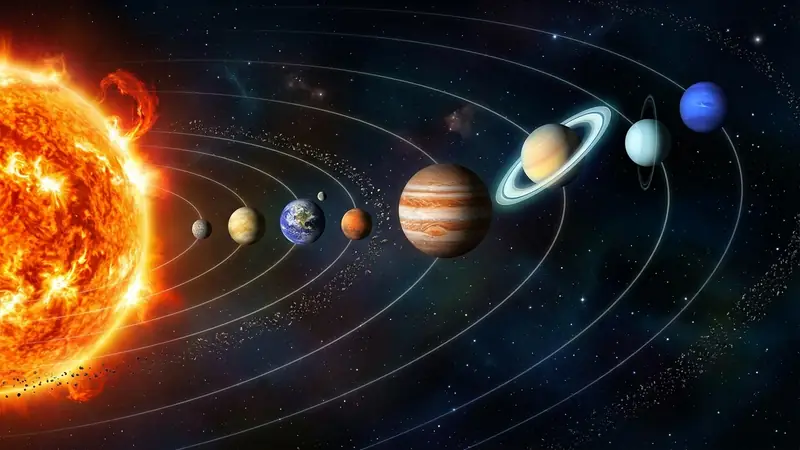
Solar system planetary orbits showing inner rocky terrestrial planets and outer gas giants around the Sun
Figure 21.2: Inner Rocky Planets (Mercury, Venus, Earth, Mars — high density) vs. Outer Gas/Ice Giants (Jupiter, Saturn, Uranus, Neptune — low density, long orbital periods). Source: PunjabTest Chapter 21 Notes ↗
🇬🇧 English Medium Explanation (Green Card) 5 Key Planetary Factors

To study and compare planets in our Solar System, physicists focus on five fundamental physical factors that make each planet unique:

  1. Orbital Distance: The average distance of a planet from the Sun. Planets closer to the Sun (like Mercury and Venus) have smaller orbital distances, whereas outer planets (like Neptune) have huge orbital distances.
  2. Orbital Period: The time a planet takes to complete one full orbit around the Sun. Planets closer to the Sun have shorter orbital periods (Mercury takes 88 Earth days; Earth takes 365.25 days; Neptune takes ~165 years).
  3. Density (Composition Indicator): Density (ρ = m/V) reflects a planet's internal composition. Rocky planets (Earth, Mars, Mercury, Venus) have higher densities due to their solid, metallic cores, whereas gas giants (Jupiter, Saturn) have lower densities because they consist mostly of light gases (hydrogen and helium).
  4. Surface Temperature & Greenhouse Effect: Depends on distance from the Sun, atmospheric composition, and greenhouse effects. Why is Venus hotter than Mars (and even Mercury)? Venus is extremely hot (~465°C) due to its thick, carbon-dioxide-rich heat-trapping atmosphere (runaway greenhouse effect), whereas Mars is very cold (~−65°C) due to its thin atmosphere and greater distance from the Sun.
  5. Gravitational Field Strength (g): At a planet's surface, g depends on its mass and radius and is nearly uniform across its surface. Smaller/less massive planets like Mars (g ≈ 3.7 N/kg) have weaker gravity, while massive planets like Jupiter (g ≈ 24.8 N/kg) have much stronger gravitational pull than Earth (9.8 N/kg). Gravitational strength decreases as distance from the planet increases.
🇵🇰 اردو نستعلیق وضاحت (Red Card — Urdu Medium) سیاروں کی خصوصیات

نظامِ شمسی کے سیاروں کے مطالعے اور موازنے کے لیے مندرجہ ذیل پانچ اہم طبعی عوامل (Factors) پر توجہ دی جاتی ہے جو ہر سیارے کو منفرد بناتے ہیں:

  1. مداری فاصلہ (Orbital Distance): کسی سیارے کا سورج سے اوسط فاصلہ مداری فاصلہ کہلاتا ہے۔ سورج کے قریب واقع سیاروں کا مداری فاصلہ کم اور دور واقع سیاروں کا مداری فاصلہ زیادہ ہوتا ہے۔
  2. مداری دورانیہ (Orbital Period): وہ وقت جو ایک سیارہ سورج کے گرد ایک مکمل چکر (Orbit) لگانے میں لیتا ہے۔ سورج کے قریبی سیاروں کا مداری دورانیہ کم (جلد چکر مکمل کرتے ہیں) اور دور والے سیاروں کا زیادہ ہوتا ہے۔
  3. کثافت (Density): کثافت کسی سیارے کی اندرونی بناوٹ (Composition) کو ظاہر کرتی ہے۔ چٹانی سیاروں (Rocky Planets) جیسے زمین اور مریخ (Mars) کی کثافت ان کے ٹھوس اور دھاتی مرکز (Solid Metallic Cores) کی وجہ سے زیادہ ہوتی ہے، جبکہ گیسی دیو ہیکل سیاروں (Gas Giants) جیسے مشتری (Jupiter) اور زحل (Saturn) کی کثافت کم ہوتی ہے کیونکہ وہ زیادہ تر ہائیڈروجن اور ہیلیم گیسوں سے بنے ہیں۔
  4. سطح کا درجہ حرارت (Surface Temperature): یہ سورج سے فاصلے، فضائی بناوٹ (Atmospheric Composition) اور گرین ہاؤس اثر پر منحصر ہے۔ زہرہ (Venus) اتنا گرم اور مریخ (Mars) اتنا ٹھنڈا کیوں ہے؟ وینس اپنی دبیز (گاڑھی) اور حرارت کو قید کرنے والی فضا کی وجہ سے انتہائی گرم ہے، جبکہ مریخ اپنی پتلی فضا اور سورج سے زیادہ فاصلے کی وجہ سے بہت ٹھنڈا ہے۔
  5. گریویٹیشنل فیلڈ کی طاقت (Gravitational Field Strength): کسی سیارے کی سطح پر کششِ ثقل کی طاقت اس کی ماس (کمیت) پر منحصر ہوتی ہے۔ چھوٹے سیاروں (جیسے مریخ) کی کششِ ثقل کمزور اور بڑے سیاروں (جیسے مشتری) کی کششِ ثقل زمین کے مقابلے میں بہت زیادہ مضبوط ہوتی ہے۔ سیارے سے فاصلہ بڑھنے پر گریویٹیشنل فیلڈ کمزور ہو جاتی ہے۔
💡 اردو Easy Notes & Exam Point (آسان رومن اردو خلاصہ)

5 Factors یاد رکھیں: (1) Orbital Distance = Suraj se faasla; (2) Orbital Period = سورج کے گرد 1 چکر کا وقت (جو قریب ہے اسکا time کم); (3) Density = Rocky planets (Earth, Mars) کی density زیادہ ہوتی ہے کیونکی ان کا core solid metallic ہے, جبکہ Gas Giants (Jupiter, Saturn) Hydrogen/Helium سے بنے ہونے کی وجہ سے کم dense ہیں; (4) Surface Temperature = Venus سب سے گرم اس لیے ہے کیونکی اسکا thick atmosphere greenhouse effect سے heat trap کرتا ہے, جبکہ Mars دور ہونے اور thin atmosphere کی وجہ سے ٹھنڈا ہے; (5) Gravitational Field Strength = Planet کے mass پر depend کرتی ہے (Jupiter کی gravity strong, Mars کی weak).

📊 Solar System Planetary Comparison Data Table (PECTAA Reference)

Rocky Inner Planets vs. Outer Gas/Ice Giants
Planet Category Orbital Distance (10⁶ km) Orbital Period Mean Density (kg/m³) Avg. Surface Temp (°C) Surface Gravity g (N/kg)
Mercury (عطارد) Rocky 57.9 88 days 5,427 +167°C 3.7
Venus (زہرہ) ⭐ Rocky (Thick CO₂) 108.2 225 days 5,243 +464°C (Hottest) 8.9
Earth (زمین) 🌍 Rocky (Metallic Core) 149.6 365.25 days (1 yr) 5,514 (Highest) +15°C 9.8
Mars (مریخ) ⭐ Rocky (Thin Air) 227.9 687 days 3,933 −65°C 3.7
Jupiter (مشتری) ⭐ Gas Giant (H₂/He) 778.6 11.9 years 1,326 −110°C 24.8 (Strongest)
Saturn (زحل) Gas Giant (H₂/He) 1,433.5 29.5 years 687 (Lowest) −140°C 10.4
Uranus (یورینس) Ice/Gas Giant 2,872.5 84.0 years 1,271 −195°C 8.7
Neptune (نیپچون) Ice/Gas Giant 4,495.1 164.8 years 1,638 −200°C 11.2
Topic 21.3 · Atmospheric Thermodynamics

Cyclones, Convection & The Coriolis Effect

21.3 سائیکلون (سمندری طوفان)، کنویکشن اور کوریولس اثر
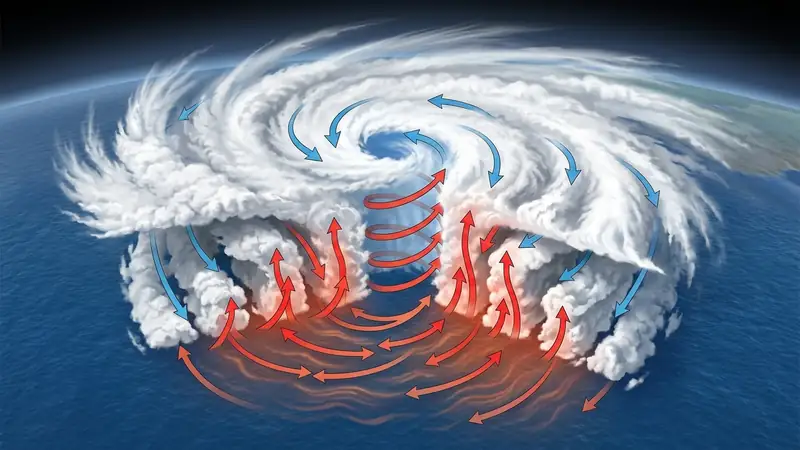
Cross-section of a tropical cyclone over warm ocean water showing rising warm moist air, sinking cool air in the calm eye, and Coriolis deflection
Figure 21.3: Cyclone development via thermal convection over warm ocean water: warm moist air rises (red arrows), cool air sinks in the central calm Eye (blue arrows), and Earth's rotation produces the Coriolis spin. Source: Punjab Board Exercise Q21.6–21.7 ↗
🇬🇧 English Medium Explanation (Green Card) PECTAA Textbook

1. What are Cyclones? Cyclones refer to heavy storms containing fast and spinning winds forming around a low air pressure area over warm tropical oceans (typically where sea surface temperatures exceed 26.5°C).

2. Role of Convection in Cyclone Formation: The phenomenon of thermal convection is responsible for developing cyclones. Warm, moist air over the heated ocean surface is lighter (less dense) and rises rapidly upward, creating a low-pressure area underneath. Heavier, cooler surrounding air rushes in and moves downward to replace it. As the warm moist air rises and cools, water vapour condenses into heavy storm clouds, releasing latent heat that further fuels the storm.

3. The Coriolis Effect & Hemispheric Spin: Because the Earth is spinning on its axis, the rushing air does not travel in a straight line toward the low-pressure center. Instead, it is deflected and starts to spin around the low-pressure area. This deflection is called the Coriolis Effect:

  • Northern Hemisphere: Cyclones spin anticlockwise (counter-clockwise).
  • Southern Hemisphere: Cyclones spin clockwise.

4. The Eye of a Cyclone: In the very center (middle) of the cyclone, a special circular region called the eye forms, where air moves downward, making the weather inside the eye remarkably calm and clear.

5. Why Cyclones Weaken Over Land: Cyclones start to weaken when they move over land or colder ocean water because they are cut off from warm, moist air, which acts as the fuel for the storm. Without this thermal energy supply, winds lose speed and the cyclone gradually fades away.

🇵🇰 اردو نستعلیق وضاحت (Red Card — Urdu Medium) سائیکلون اور کوریولس اثر

1۔ سائیکلون (Cyclones) کیا ہیں؟ سائیکلون سے مراد ایسے شدید طوفان ہیں جن میں تیز اور گھومتی ہوئی ہوائیں ہوا کے کم دباؤ (Low Air Pressure) والے علاقے کے گرد بنتی ہیں۔

2۔ سائیکلون بننے میں کنویکشن (Convection) کا کردار: سائیکلون بننے کا بنیادی سبب کنویکشن (حرارتی ایصال) کا مظہر ہے۔ گرم سمندری پانی کے اوپر موجود گرم اور نمی والی ہوا ہلکی ہونے کی وجہ سے اوپر اٹھتی ہے جس سے نیچے ہوا کا کم دباؤ (Low Pressure) پیدا ہو جاتا ہے، جبکہ ٹھنڈی ہوا بھاری ہونے کی وجہ سے نیچے کی طرف آتی ہے۔

3۔ کوریولس اثر (Coriolis Effect): چونکہ زمین اپنے محور پر گھوم رہی ہے (Spinning)، اس لیے کم دباؤ کی طرف بڑھنے والی ہوا سیدھی لائن میں سفر نہیں کرتی بلکہ کم دباؤ والے مرکز کے گرد گھومنا شروع کر دیتی ہے۔ اس مظہر کو کوریولس اثر (Coriolis Effect) کہتے ہیں:

  • شمالی نصف کرہ (Northern Hemisphere): ہوائیں گھڑی کی مخالف سمت (Anticlockwise) گھومتی ہیں۔
  • جنوبی نصف کرہ (Southern Hemisphere): ہوائیں گھڑی کی سمت (Clockwise) گھومتی ہیں۔

4۔ سائیکلون کی آنکھ (Eye of a Cyclone): سائیکلون کے بالکل درمیان میں ایک خاص علاقہ بنتا ہے جسے طوفان کی آنکھ (Eye) کہتے ہیں، جہاں ہوا نیچے کی طرف حرکت کرتی ہے جس کی وجہ سے یہ مرکزی علاقہ پرسکون اور صاف (Calm and Clear) ہوتا ہے۔

5۔ خشکی پر سائیکلون کمزور کیوں ہو جاتے ہیں؟ جب سائیکلون خشکی (Land) یا ٹھنڈے پانی کے اوپر پہنچتے ہیں تو وہ کمزور پڑ جاتے ہیں کیونکہ انہیں مزید گرم اور مرطوب (نمی والی) ہوا نہیں ملتی جو طوفان کے لیے ایندھن (Fuel) کا کام کرتی ہے۔ اس توانائی کے بغیر ہوائیں کمزور ہو جاتی ہیں اور طوفان آہستہ آہستہ ختم ہو جاتا ہے۔

💡 اردو Easy Notes & Exam Point (آسان رومن اردو خلاصہ)

Cyclone Ka Mechanism: Garam samandar ke upar Convection کی وجہ سے warm moist air (ہلکی ہونے کی وجہ سے) اوپر اٹھتی ہے اور نیچے Low Pressure بن جاتا ہے. زمین کے گھومنے (spinning) کی وجہ سے ہوا سیدھی نہیں جاتی بلکہ spin کرتی ہے — اسے Coriolis Effect کہتے ہیں (Northern Hemisphere میں Anticlockwise, Southern Hemisphere میں Clockwise). Cyclone ke center ko Eye کہتے ہیں جو بالکل calm اور clear ہوتا ہے. جب cyclone land (khushki) یا ٹھنڈے پانی پر آتا ہے تو warm moist air (fuel) ختم ہونے کی وجہ سے کمزور (weaken) ہو جاتا ہے!

Topic 21.4 · Environmental Physics

Global Warming, Extreme Weather & Rising Sea Levels

21.4 گلوبل وارمنگ، شدید موسمی اثرات اور سمندری سطح میں اضافہ
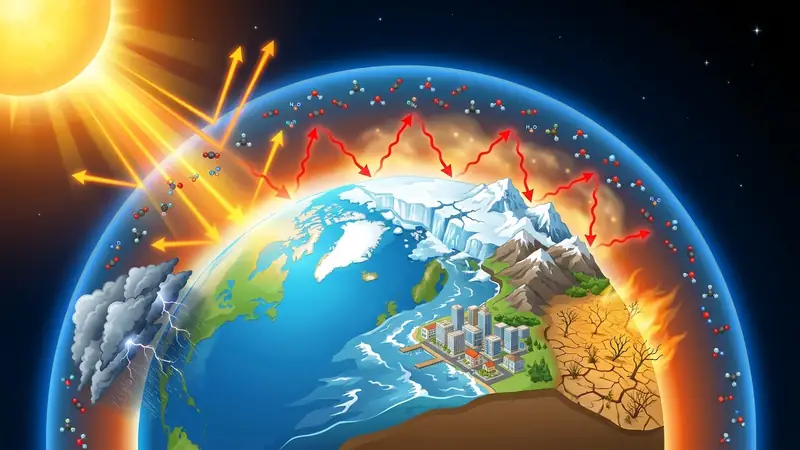
Scientific diagram of Earth showing greenhouse gases trapping heat, melting polar ice caps, rising sea levels, flooding, and drought
Figure 21.4: Greenhouse gases (CO₂, CH₄, N₂O) trap infrared heat in the atmosphere, causing polar ice melting, thermal expansion of seawater, hurricanes, floods, and droughts. Source: Punjab Board Q17 & Q20–25 ↗
🇬🇧 English Medium Explanation (Green Card) PECTAA Textbook

1. Definition & Causes of Global Warming: Global warming is the long-term increase in the average surface temperature of the Earth due to:

  • Burning of fossil fuels (coal, oil, natural gas).
  • Release of greenhouse gases such as methane (CH₄), carbon dioxide (CO₂), and nitrous oxide (N₂O).
  • Cutting down forests (deforestation) and certain industrial and farming methods.

2. Primary Cause of Rising Sea Levels: Due to rising global temperatures:
• Melting of Ice: Polar ice caps and glaciers begin to melt rapidly, adding water to the oceans.
• Thermal Expansion of Seawater: Seawater expands in volume as it warms up. Both effects combine to cause higher sea levels.

3. Six Extreme Weather Impacts of Global Warming:

  • Stronger Hurricanes: More heat is absorbed by the ocean, which fuels hurricanes, increasing their intensity with higher wind speeds and heavier rainfall.
  • Heat Waves: Heat trapped by greenhouse gases in the atmosphere leads to extended periods of extreme heat.
  • Flooding: A warmer atmosphere holds more moisture, producing heavier rainfall and intense inland and coastal flooding.
  • Wildfires: High temperatures and long periods of dryness reduce moisture in air and soil, making forests and grasslands easily ignitable.
  • Droughts: Higher temperatures cause faster evaporation from land, drying out soil and reducing water for plants, animals, and people.
  • Stronger Winter Storms: Because warmer air holds more moisture, it produces heavier snowfall when winter temperatures are cold enough.
🇵🇰 اردو نستعلیق وضاحت (Red Card — Urdu Medium) گلوبل وارمنگ اور اثرات

1۔ گلوبل وارمنگ کی تعریف اور وجوہات: فوسل فیولز (کوئلہ، تیل، گیس) کے جلنے، میتھین (Methane)، کاربن ڈائی آکسائیڈ (Carbon Dioxide) اور نائٹرس آکسائیڈ (Nitrous Oxide) جیسی گیسوں کے اخراج، جنگلات کی کٹائی اور مخصوص صنعتی و زرعی طریقوں کی وجہ سے زمین کے اوسط درجہ حرارت میں طویل مدتی اضافے کو گلوبل وارمنگ کہتے ہیں۔

2۔ سمندری سطح بلند ہونے کی بنیادی وجہ (Rising Sea Levels): درجہ حرارت میں اضافے کی وجہ سے:
• گلیشیئرز اور قطبی برف پگھلنے لگتی ہے (Ice begins to melt)۔
• گرم ہونے کی وجہ سے سمندری پانی پھیلتا ہے (Seawater expands)۔ ان دونوں وجوہات سے سمندر کی سطح بلند ہو جاتی ہے۔

3۔ گلوبل وارمنگ کے 6 شدید موسمی اثرات:

  • طوفانوں (Hurricanes) کی شدت میں اضافہ: سمندر زیادہ حرارت جذب کرتا ہے جو ہریکین طوفانوں کو ایندھن فراہم کر کے انہیں تیز ہواؤں اور بھاری بارش کے ساتھ مزید تباہ کن بناتی ہے۔
  • ہیٹ ویوز (Heat Waves): فضا میں موجود گیسیں حرارت کو قید کر لیتی ہیں جس سے شدید گرمی کے طویل دورانیے آتے ہیں۔
  • سیلاب (Flooding): گرم فضا زیادہ نمی (Moisture) جذب کر سکتی ہے جس سے شدید بارشیں اور سیلاب آتے ہیں۔
  • جنگلات کی آگ (Wildfires): بلند ٹمپریچر اور طویل خشک سالی سے ہوا اور مٹی کی نمی کم ہو جاتی ہے جس سے جنگلات میں آگ تیزی سے بھڑکتی ہے۔
  • قحط سالی (Droughts): زیادہ ٹمپریچر سے زمین کا پانی تیزی سے بخارات بن کر اڑ جاتا ہے اور مٹی خشک ہو جاتی ہے۔
  • شدید سرمائی طوفان (Winter Storms): گرم ہوا میں زیادہ نمی ہونے کی وجہ سے سرد موسم میں زیادہ بھاری برف باری ہوتی ہے۔
💡 اردو Easy Notes & Exam Point (آسان رومن اردو خلاصہ)

Global Warming Key Points: Fossil fuels جلانے aur deforestation se CO₂, Methane (CH₄), aur Nitrous Oxide (N₂O) بڑھتی ہیں جو Earth کا average surface temperature بڑھاتی ہیں. Rising Sea Levels کی 2 میں reasons ہیں: (1) Melting of ice aur (2) Thermal expansion of seawater. Global warming سے 6 extreme weather events بڑھتے ہیں: Hurricanes (warmer ocean water fuels them), Heat waves (trapped heat), Flooding (warmer air holds more moisture → heavy rain), Wildfires (dryness + heat), Droughts (more evaporation dries soil), aur Winter storms (more moisture → heavier snowfall).

Topic 21.5 · Geophysics & Energy

Geothermal Activity & Renewable Geothermal Energy

21.5 جیوتھرمل سرگرمی اور قابلِ تجدید توانائی
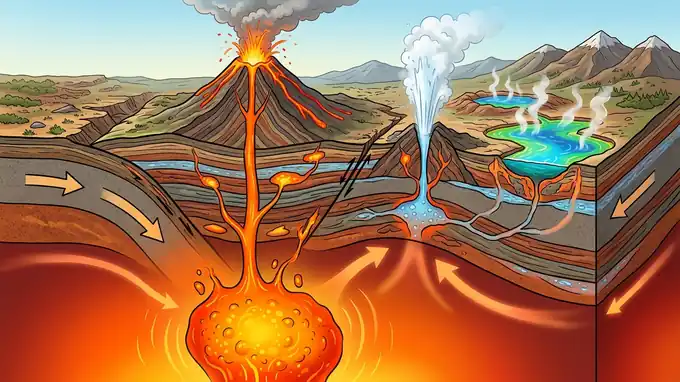
Cross-section of Earth's crust and mantle showing magma chamber, tectonic plates, volcanic eruption, geyser, and hot springs
Figure 21.5: Geothermal activity driven by Earth's internal heat: volcanic eruptions, geysers, hot springs, and movement of tectonic plates. Source: Punjab Board Q18 & Q19 ↗
🇬🇧 English Medium Explanation (Green Card) PECTAA Textbook

1. What is Geothermal Activity? Geothermal activity refers to the inner heat of the Earth (derived from the planet's molten interior and radioactive decay of minerals in the crust/mantle), which causes:

  • Volcanic eruptions (molten magma escaping as lava and ash)
  • Geysers (jets of boiling water and steam shooting into the air)
  • Hot springs (naturally heated groundwater pools)
  • Movement of tectonic plates (causing continental drift and earthquakes)

2. Why is Geothermal Energy a Renewable Resource? Geothermal energy is considered a renewable resource of energy due to its continuous sustainability as long as the Earth's internal heat remains active. Unlike fossil fuels, which can be exhausted and emit heavy greenhouse gases, Earth's core heat is continuously replenished for billions of years and can be harnessed to generate clean electricity and heat buildings.

🇵🇰 اردو نستعلیق وضاحت (Red Card — Urdu Medium) جیوتھرمل سرگرمی

1۔ جیوتھرمل سرگرمی (Geothermal Activity) کیا ہے؟ جیوتھرمل سرگرمی سے مراد زمین کی اندرونی حرارت (Inner Heat of the Earth) ہے، جو مندرجہ ذیل مظاہر کا سبب بنتی ہے:

  • آتش فشانی پھٹاؤ (Volcanic Eruptions)
  • گیزر (Geysers — گرم پانی اور بھاپ کے فوارے)
  • گرم پانی کے چشمے (Hot Springs)
  • ٹیکٹونک پلیٹوں کی حرکت (Movement of Tectonic Plates)

2۔ جیوتھرمل توانائی کو قابلِ تجدید (Renewable) ذریعہ کیوں سمجھا جاتا ہے؟ جیوتھرمل توانائی کو توانائی کا ایک قابلِ تجدید ذریعہ (Renewable Resource of Energy) اس لیے سمجھا جاتا ہے کیونکہ جب تک زمین کی اندرونی حرارت فعال (Active) رہے گی، یہ توانائی مسلسل اور پائیدار طور پر (Sustainably) دستیاب رہے گی۔

💡 اردو Easy Notes & Exam Point (آسان رومن اردو خلاصہ)

Geothermal Activity: Geo کا مطلب زمین اور Thermal کا مطلب Heat. زمین کی اندرونی گرمی (inner heat) کی وجہ سے volcanic eruptions, geysers, hot springs, aur tectonic plates ki movement ہوتی ہے. اسے Renewable Energy Resource اس لیے کہتے ہیں کیونکی جب تک زمین کی internal heat active ہے, یہ ختم نہیں ہوگی اور sustainable بجلی/heating دیتی رہے گی.

Topic 21.6 · Environmental & Nuclear Safety

Background Radiation, Natural Sources, Hazards & Safety Measures

21.6 بیک گراؤنڈ ریڈی ایشن، قدرتی ذرائع اور حفاظتی اقدامات
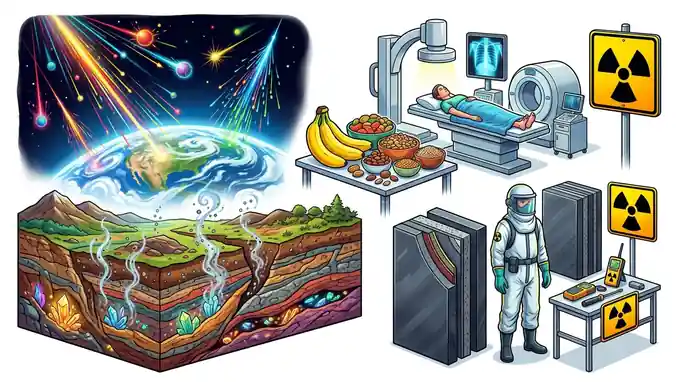
Scientific diagram of background radiation sources including cosmic rays, underground radon and uranium rocks, potassium-40 in food, medical X-rays, and protective radiation safety gear
Figure 21.6: Sources of background radiation (cosmic rays, underground uranium/radon gas, food isotopes K-40 & C-14, medical X-rays) and radiation safety shielding. Source: Punjab Board Q26–Q43 ↗
🇬🇧 English Medium Explanation (Green Card) PECTAA Textbook

1. Radiation Exposure & Background Radiation: Radiation exposure occurs when someone comes into contact with radiation energy from natural sources (Sun, ground) or man-made sources (X-ray machines, nuclear power plants). Background radiation is the constant, low-level ionizing radiation that exists around us all the time in the environment.

2. Major Natural Sources of Background Radiation:

  • Cosmic Rays from Space: The Sun and other stars emit enormous numbers of cosmic rays (including high-speed protons). When they enter Earth's atmosphere and collide with air molecules, they produce gamma (γ) radiation.
  • Rocks & Buildings: Heavy radioactive elements such as uranium and thorium occur naturally in underground rocks, decorative stones, and bricks.
  • Radon Gas: Uranium in rocks decays into radon gas, which is a tasteless, colourless, and odourless gas. Radon is an alpha (α) emitter and is particularly dangerous if inhaled into the lungs in large quantities.
  • Food & Drink: Food and water contain trace amounts of naturally occurring radioactive isotopes such as Potassium-40 (⁴⁰K) and Carbon-14 (¹⁴C), absorbed by plants and animals and ingested by humans.

3. Health & Environmental Hazards of Radiation:

  • Short-term High Exposure: Causes radiation sickness (nausea, vomiting, fatigue, organ damage).
  • Long-term Low Exposure: Increases the risk of cancer (especially lungs, thyroid, and bones).
  • Genetic Effects: Damages DNA, causing genetic mutations affecting future generations.
  • Internal & Environmental Contamination: Inhaling radioactive dust or drinking contaminated water keeps radioactive particles inside the body; improper storage or nuclear plant accidents cause leaks, spills, explosions, or large-scale disasters.

4. Three Essential Radiation Safety Measures:
(i) Wearing protective wear (lead aprons/gloves/shielding),
(ii) Ensuring limited exposure (minimizing time & maximizing distance), and
(iii) Storing and handling radioactive materials safely (in sealed lead containers with proper waste management).

🇵🇰 اردو نستعلیق وضاحت (Red Card — Urdu Medium) بیک گراؤنڈ ریڈی ایشن اور حفاظت

1۔ بیک گراؤنڈ ریڈی ایشن (Background Radiation): وہ تابکاری (Radiation) جو ہر وقت ہمارے ارد گرد ماحول میں موجود رہتی ہے، بیک گراؤنڈ ریڈی ایشن کہلاتی ہے۔ یہ قدرتی اور مصنوعی دونوں ذرائع سے کم سطح پر مسلسل موجود رہنے والی آئونائزنگ ریڈی ایشن ہے۔

2۔ بیک گراؤنڈ ریڈی ایشن کے قدرتی ذرائع:

  • خلا سے آنے والی کاسمک شعاعیں (Cosmic Rays): سورج اور دیگر ستارے بڑی تعداد میں کاسمک شعاعیں (بشمول پروٹونز) خارج کرتے ہیں۔ جب یہ تیز رفتاری سے زمین کی فضا میں داخل ہو کر ہوا کے مالیکیولز سے ٹکراتی ہیں تو گیما ریڈی ایشن (Gamma Radiation) پیدا کرتی ہیں۔
  • چٹانیں اور عمارتیں (Rocks & Buildings): زمین کی چٹانوں، پتھروں اور اینٹوں میں بھاری تابکار عناصر مثلاً یورینیم (Uranium) اور تھوریم (Thorium) قدرتی طور پر پائے جاتے ہیں۔
  • ریڈون گیس (Radon Gas): چٹانوں میں موجود یورینیم ٹوٹ کر (Decay ہو کر) ریڈون گیس بناتا ہے۔ یہ ایک بے ذائقہ، بے رنگ اور بے بو گیس ہے۔ ریڈون گیس الفا شعاعیں (Alpha Emitter) خارج کرتی ہے اور بڑی مقدار میں سانس کے ذریعے پھیپھڑوں میں جانے پر انتہائی خطرناک ثابت ہوتی ہے۔
  • خوراک اور پانی (Food & Drink): خوراک اور پانی میں قدرتی تابکار آئسوٹوپس جیسے پوٹاشیم-40 (Potassium-40) اور کاربن-14 (Carbon-14) کی معمولی مقدار موجود ہوتی ہے جو پودوں اور جانوروں کے ذریعے انسانی جسم میں داخل ہوتی ہے۔

3۔ تابکاری کے نقصانات (Hazards): کم وقت میں زیادہ تابکاری سے ریڈی ایشن سکنس (Radiation Sickness) یعنی متلی، قے، تھکن اور اعضاء کو نقصان ہوتا ہے۔ طویل عرصے تک تابکاری سے پھیپھڑوں، تھائی رائیڈ اور ہڈیوں کے کینسر کا خطرہ بڑھ جاتا ہے اور ڈی این اے (DNA) متاثر ہونے سے جینیاتی تبدیلیاں (Genetic Mutations) پیدا ہوتی ہیں۔

4۔ تابکاری سے بچاؤ کے تین حفاظتی اقدامات (Safety Measures):
(1) حفاظتی لباس (Protective Wear) کا استعمال،
(2) محدود نمائش (Limited Exposure) یعنی تابکاری کے سامنے کم سے کم وقت گزارنا، اور
(3) تابکار مادوں کو محفوظ طریقے سے ذخیرہ اور استعمال کرنا (Safe Storage and Handling)۔

💡 اردو Easy Notes & Exam Point (آسان رومن اردو خلاصہ)

Background Radiation & Safety: جو low-level ionizing radiation ہر وقت ہمارے ماحول میں موجود رہتی ہے اسے Background Radiation کہتے ہیں. اس کے 4 natural sources ہیں: (1) Cosmic Rays (سورج/stars سے protons ہوا سے ٹکرا کر Gamma rays بناتے ہیں), (2) Rocks & Buildings (Uranium aur Thorium), (3) Radon Gas (Uranium کے decay سے بنتی ہے, tasteless/colourless/odourless ہے اور Alpha emitter ہے جو lungs کے لیے dangerous ہے), اور (4) Food & Drink (Potassium-40 aur Carbon-14). 3 Safety Measures: (1) Protective wear, (2) Limited exposure, aur (3) Safe storage & handling!

Section A · Objective Part

Multiple Choice Questions (MCQs) — Exercise & Additional (22 MCQs)

Score: 0 / 22 Attempted (0)

Click any option (A, B, C, or D) to test yourself with instant green/red feedback, or click "Show Answer & Explanation" on any card to view the complete bilingual solution. Covers all 7 PECTAA Textbook Exercise MCQs (21.1–21.7) plus 15 Board-Focused Additional MCQs (21.8–21.22) from Punjab Board MCQs 2026.

Section B · Short Answer Part

Short Questions with Collapsible Answers (8 Exercise + 43 Chapter Short Qs)

📋 Part B-1: PECTAA Textbook Exercise Short Questions (21.1 to 21.8)

Source: Punjab Board Exercise Short Qs ↗

📝 Part B-2: Complete Chapter 21 Short Questions Bank (Q1 to Q43 — Prepared by Muhammad Tayyab)

Source: Punjab Board 43 Short Qs ↗
Section C · Conceptual & Analytical

Constructed Response Questions (CRQs — تشریحی اور منطقی سوالات)

5 Exam-Focused CRQs with Bilingual Answers

Constructed Response Questions test conceptual reasoning on gas giants vs. rocky planet density, atmospheric composition & planetary surface temperatures, Coriolis effect spin directions, geothermal energy sustainability, and natural background radiation & radon gas hazards (Punjab Board Chapter 21 Hub).

Section D · Extensive Questions

Long Questions with Detailed Collapsible Answers (تفصیلی سوالات)

5 Complete Board-Format Long Questions

Complete, structured board-exam answers for Chapter 21 Long Questions covering nuclear fusion in the Sun, orbital distance and surface temperature factors, convection and Coriolis effect in cyclones, global warming and rising sea levels, and background radiation sources and radiation safety measures (Punjab Board Chapter 21 Hub & PunjabTest Chapter 21 Notes).

FOOTER JAVASCRIPT DATA & INTERACTIVE CONTROLLERS