
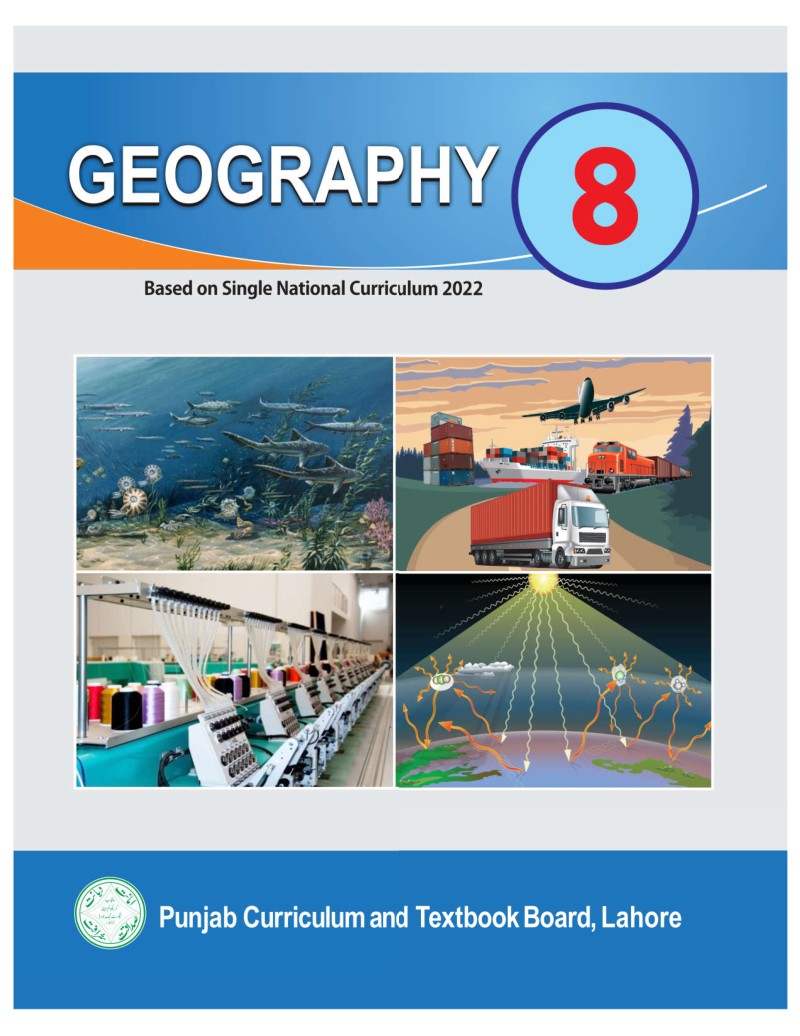
Class 8 Geography book cover
Class 8

Class 8 Guide Books

Geography — 10 Chapters

10 Chapters · Complete Guide Book

Geography Chapters

اپنا باب منتخب کریں — ہر باب کے لیے رہنما کتاب

🗺️ Chapter 1 Maps and Diagrams → 🗺️ Chapter 2 Agents of Landforms → 🌊 Chapter 3 Oceans → 🗺️ Chapter 4 Natural Disasters → 🌍 Chapter 5 Major Environmental Problems → 🗺️ Chapter 6 Natural Regions → 🇵🇰 Chapter 7 Climate of Pakistan → 🇵🇰 Chapter 8 Neighboring Regions of Pakistan → 🗺️ Chapter 9 Problems of Underdevelopment → 🗺️ Chapter 10 Introduction to Modern Techniques in Geography →

How to study with these chapter-wise guides

This guide-book directory helps learners find chapter-wise explanations and revision material for Class 8 Geography Guide Book — Chapters. During the 2026–2027 session, use the chapter links listed above to open the material you need. Check each title against the textbook edition assigned by your Punjab Board, PEF or NSSE school. These are independent learning resources, and the availability of a guide does not establish approval by a board or school network.

Read, practise and review

Read the relevant textbook lesson before attempting a test. Note important definitions, examples, diagrams and any points your teacher has emphasised. Begin with one chapter so that you can identify a specific weakness. When you feel confident, combine related chapters for broader revision. A repeated practice attempt may contain different questions; improvement should come from understanding the topic rather than remembering the order of options.

Use feedback to plan the next lesson

After an online test, review the displayed answers and explanations where available. Write down why an incorrect option seemed convincing, then return to the relevant lesson. For a printed paper, keep your written working and check it with your textbook or teacher. Practise longer answers in complete sentences and show each step in calculations. A practice score measures that attempt; it cannot predict an official examination result or guarantee marks.

بہتر تیاری کے لیے رہنمائی

سب سے پہلے اپنی جماعت، مضمون اور ذریعۂ تعلیم منتخب کریں۔ کتاب کے ابواب کی فہرست دیکھیں اور وہی ابواب چنیں جو آپ نے اسکول میں پڑھے ہیں۔ اگر آپ کے اسکول کی کتاب یا نصاب میں فرق ہو تو اپنے استاد سے رہنمائی لیں۔ اس ویب سائٹ کے مشقی مواد کو درسی کتاب کے ساتھ استعمال کریں۔ کسی مشکل سوال پر اندازہ لگانے کے بجائے متعلقہ سبق دوبارہ پڑھیں اور اہم نکات اپنی کاپی میں لکھیں۔

رہنما کتاب میں دی گئی وضاحت سے موضوع سمجھنے کے بعد سوال خود حل کریں۔ سائنس اور ریاضی کے سوالات میں اکائیاں، خاکے اور حل کے مراحل واضح لکھیں۔ اردو اور دوسرے زبانوں کے مضامین میں عبارت کا مفہوم سمجھ کر اپنے الفاظ میں جواب دینے کی مشق کریں۔ پرچہ تیار کرتے وقت منتخب ابواب، سوالات اور نمبروں کا جائزہ ضرور لیں۔ یہ مواد مشق کے لیے ہے؛ اسے کسی بورڈ کا جاری کردہ اصل یا متوقع پرچہ نہ سمجھیں۔

اپنی غلطیوں کی مختصر فہرست بنائیں اور اگلے دن انہی نکات کی دہرائی کریں۔ اگر کسی سوال، جواب یا باب کے عنوان میں غلطی نظر آئے تو تبصرے کے صفحے پر جماعت، مضمون اور متعلقہ باب کا نام لکھ کر اطلاع دیں۔ ذاتی معلومات شامل کیے بغیر واضح تجویز دیں تاکہ اصلاح میں مدد مل سکے۔

Continue with online tests, chapter-wise guide books or the paper generator. Share a correction through Comments.

SNC 2026–2027 ALIGNED FRAMEWORK

Class 8 Geography Curriculum Reconciliation

A unified mapping aligning the 6 core units on PunjabTest.com's online test engine (/geography8) with the 10-chapter breakdown in the guide book (/guide-books/class8-geography) and official PCTB textbooks.

Practice Geography Online Tests View Complete Geography Guide

Cross-Reference Mapping Matrix

SNC & PECTAA

The table below shows how the 6 broad SNC units correspond to the 10 specific chapters found in textbook study guides, resolving all student navigation discrepancies:

Unit 1: Oceans and Seas (محیط اور سمندر)

Corresponding Guide Book Chapters: Chapter 1 (Oceans of the World) & Chapter 2 (Seas, Gulfs, Bays, and Straits).

Key Concepts & Solved Exercises: Water covers ~71% of Earth's surface. 5 Major Oceans: Pacific (largest), Atlantic (S-shaped), Indian, Southern, Arctic. Difference between Bay (wide mouth) and Gulf (narrow inlet). Great Barrier Reef off Australia. Threats facing oceans: acidification, plastics, overfishing, global warming.

Unit 2: Living with Climate (موسم اور آب و ہوا)

Corresponding Guide Book Chapters: Chapter 3 (Atmospheric Temperature) & Chapter 4 (Climatic Regions).

Key Concepts: Difference between weather (daily atmospheric condition) and climate (long-term average over 30 years). Factors affecting temperature: latitude, altitude, distance from sea, ocean currents, prevailing winds.

Unit 3: Environmental Pollution (ماحولیاتی آلودگی)

Corresponding Guide Book Chapter: Chapter 5 (Environmental Degradation & Pollution).

Key Concepts: Air pollution, water pollution, land pollution, and noise pollution. Greenhouse effect, smog in Punjab during winter, and eco-friendly mitigations.

Unit 4: Industrialization and International Trade (صنعت کاری اور بین الاقوامی تجارت)

Corresponding Guide Book Chapters: Chapter 6 (Major Industries) & Chapter 7 (Global Trade Networks).

Key Concepts: Primary, secondary, and tertiary industries. Pakistan's textile industry, surgical instruments, and sports goods exports. Balance of trade (exports vs imports).

Unit 5: Transport and its Importance (ذرائع نقل و حمل اور ان کی اہمیت)

Corresponding Guide Book Chapters: Chapter 8 (Roads and Railways) & Chapter 9 (Waterways and Air Transport).

Key Concepts: Motorways of Pakistan (M-2, M-3, M-5), Pakistan Railways network, Karachi Port & Gwadar Port (CPEC gateway), and international air corridors.

Unit 6: Social and Economic Development (معاشرتی اور معاشی ترقی)

Corresponding Guide Book Chapter: Chapter 10 (Human Development Indicators).

Key Concepts: Human Development Index (HDI), literacy rates, healthcare infrastructure, and sustainable development goals.